

 |
 |
Rosalía Women's Blouse ( 659600 )
|
Index
|
1. Introduction:
The work uniformity Uniforms have come a long way throughout history. From early dress mandates imposed by rulers to today's expressions of corporate identity, the evolution of uniforms reflects significant social, cultural, and economic changes. In this article, we'll explore how workplace uniforms have evolved over time, from their early function to their current role in representing the identity of companies and employee empowerment.
2. The beginnings of uniformity. Symbolism and hierarchy:
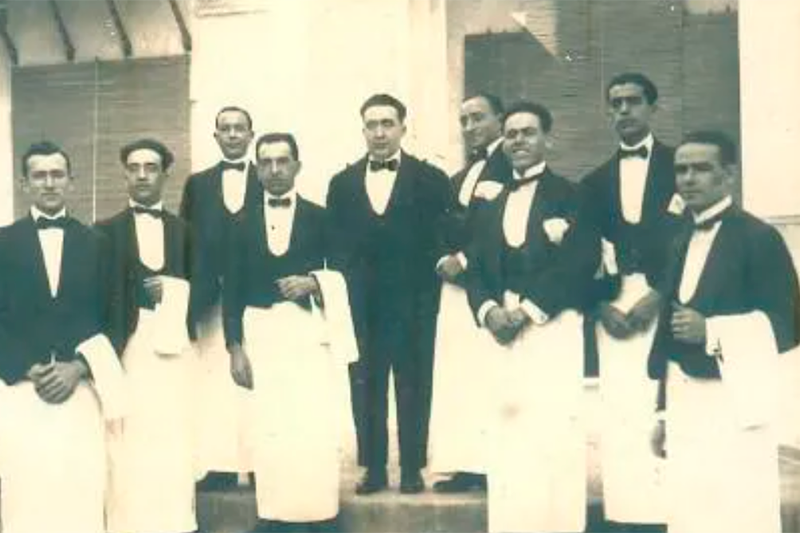
Uniformity in the workplace dates back to ancient times, when leaders and rulers used clothing to mark hierarchical differences. Uniforms became symbols of status and power, distinguishing social classes and workers from different trades.
3. Industrial Revolution. Efficiency and safety:
With the arrival of the Industrial Revolution, uniformity acquired a new purpose: efficiency and workplace safety. Factories and industrial environments They required specific uniforms to protect workers from hazards and to identify them in the midst of complex machinery and processes.
 |
 |
Castro Unisex Chef Jacket ( 946700 )
4. Military uniforms and public services:
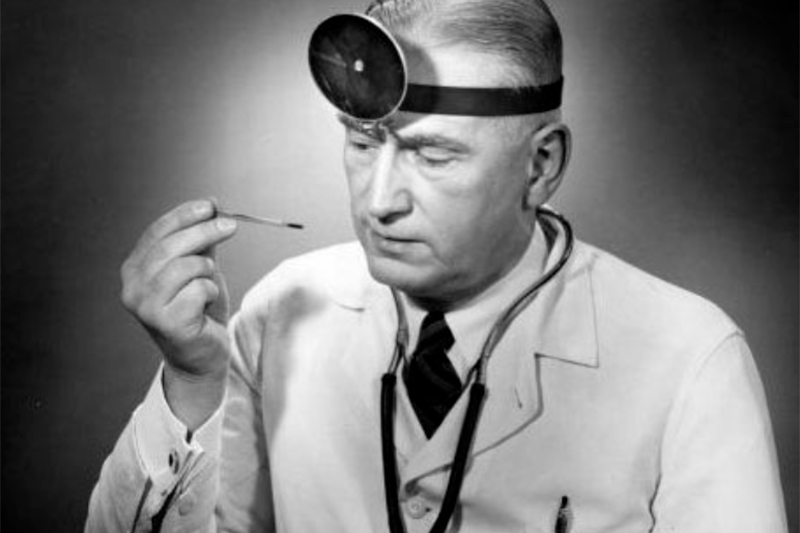
The military and public services also played an important role in the evolution of occupational uniforms. Military uniforms became increasingly standardized and were used as symbols of identity and discipline. Similarly, public service employees, such as police officers, firefighters, and Medical personnel adopted uniforms to be easily recognizable in emergency situations and to convey authority and confidence to the community.
5. The Corporate Era: Brand Identity and Professionalism:
As the 20th century progressed, businesses began to recognize the value of uniformity as a management tool. brand identity and professionalism. Corporate uniforms are designed to reflect a company's values and image, and to establish a consistent appearance across all its subsidiaries and employees.
6. Individuality and empowerment:
In recent years, there has been a shift toward greater individuality and empowerment in workplace uniforms. Companies have begun to allow greater flexibility in styles and uniform colors, allowing employees to feel more comfortable and express their personal identity within certain established limits.
 |
 |
Babi Agatha Game ( 300018 )
7. Personalization and technology:
Technology has played an important role in the evolution of work uniformity . The personalization Uniform design has become more accessible, allowing companies to add names, logos, and specific details to garments. Additionally, the incorporation of technological materials has improved the comfort, safety, and functionality of uniforms.
8. Inclusion and diversity:
Today, work uniforms have also become a means of promoting inclusion and diversity in the workplace. Companies are adopting uniforms that accommodate different sizes, genders, and cultural needs, ensuring all employees feel comfortable and represented.
|

|
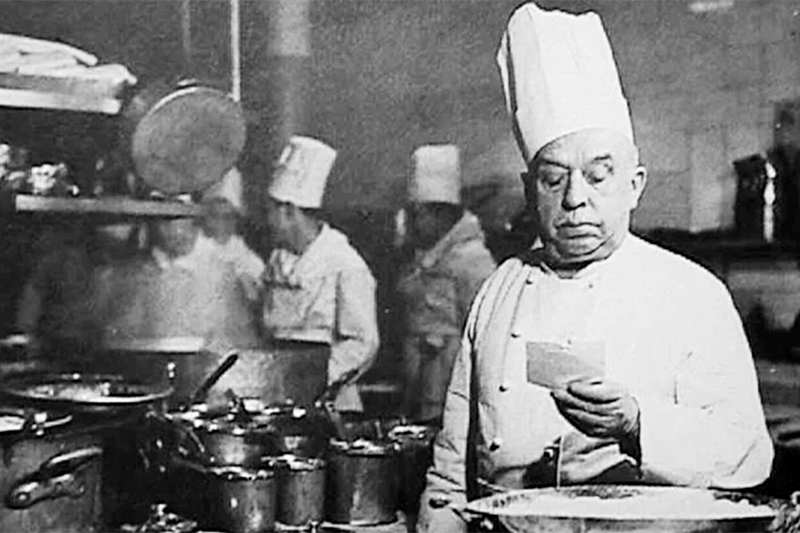
Vulcano Unisex Kitchen Jacket ( 930007 )
9. Conclusion:
The evolution of work uniformity throughout history has been marked by changes in society, the economy and the Demands from companies and employees . From its initial function as a symbol of hierarchy to its current role in corporate identity and the expression of individuality, work uniforms continue to adapt and transform. Today, uniforms represent not only an external appearance but also values, culture, and empowerment in the workplace. Make sure to maintain key points and clarity of message.
Today, work uniforms combine tradition, comfort, and brand identity. Discover ours. here .